


Charge Point touch screen monitor
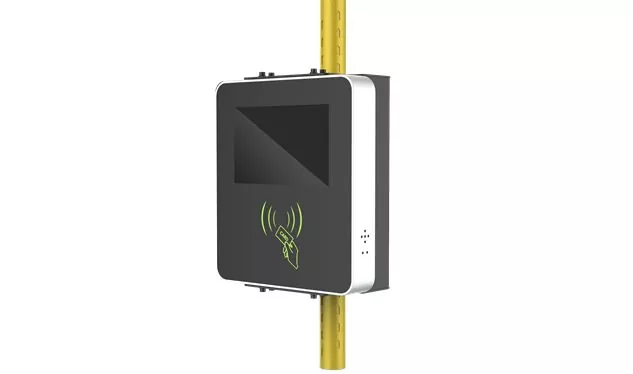
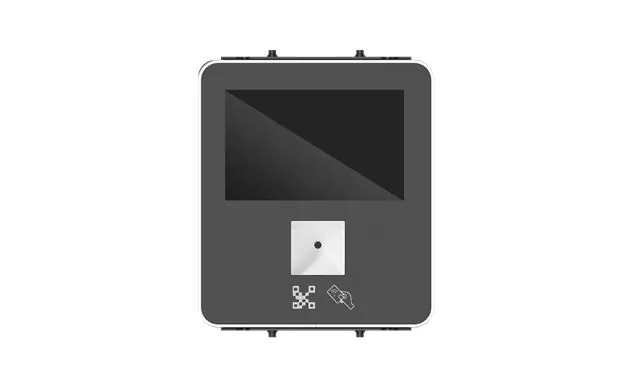
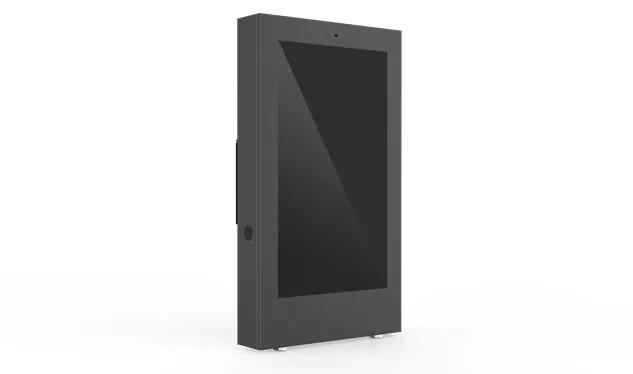
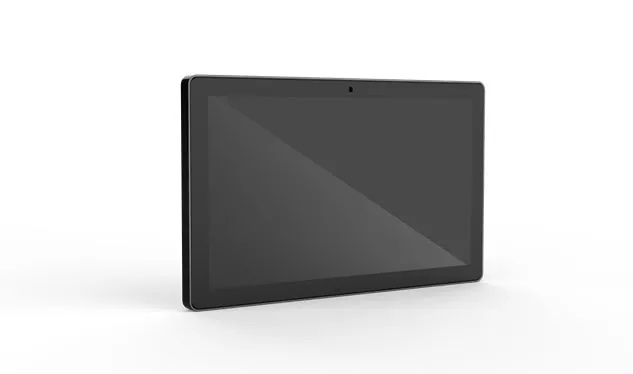
Charge pile touch screen monitor is essentially a specific application of human-machine interface (HMI) in charging infrastructure. It has evolved from a simple information screen to an intelligent terminal integrating user interaction, payment, advertising operation and remote management, which directly affects the usability and user experience of the charging pile.
Send Inquiry
Product Description
Charge pile touch screen monitor is essentially a specific application of human-machine interface (HMI) in charging infrastructure. It has evolved from a simple information screen to an intelligent terminal integrating user interaction, payment, advertising operation and remote management, which directly affects the usability and user experience of the charging pile.
Core function: more than "display"
As the only window for users to interact with the Charge Point, it bears the following key functions:
Guidance and interaction: clearly display the charging status, cost and remaining time, and provide operation guidance. When the charging fails, the screen can directly display the specific reasons (such as the cable is not plugged in properly, the account balance is insufficient, etc.) to help users quickly solve the problem.
Diversified payment: It supports multiple payment methods such as credit card, QR code scanning, RFID card swiping, etc. Users can complete the payment process directly on the screen, including entering the PIN code, which is more convenient than relying on mobile phone apps.
Transparent pricing: operators can display differentiated prices according to different user types (such as visitors and members) through the screen to meet the regulatory requirements of many countries for transparency of electricity prices.
Multi language support: allows users to choose their preferred language, which improves the universality and international service capabilities of the charging pile.
Advertising and value-added operation: some touch screens of charging piles are endowed with the function of playing advertising videos, making them become terminals with advertising value-added and leisure entertainment functions.
Hardware characteristics and key technologies
In order to adapt to the complex indoor and outdoor installation environment, the charging pile touch screen monitor has special requirements on hardware.
Size and resolution: the mainstream size is between 4.3 inches and 15 inches. Simple operation and transaction scenarios usually use a 7-inch or 10.1-inch screen (resolution 800x480 or 1024x600); When complex transaction information or video needs to be displayed, 12.1 inch, 15 inch or larger screens will be used. Relevant Chinese regulations also suggest that the DC charging pile should be equipped with a color touch screen no less than 7 inches.
Environmental adaptability and protection: outdoor equipment must be able to cope with harsh environment.
Protection grade: usually IP54 (dust-proof and splash proof) or IP65/IP66 (dust-proof and water spraying/forced water spraying).
Impact resistance: a certain vandalism resistance is required, and the common standard is IK08 or IK10.
Wide temperature operation: stable operation within a wide temperature range of -20 ℃ to 60 ℃ is required.
Readability in the sun: the brightness of outdoor screens usually needs to reach more than 700 nits, and some high brightness models can reach 1500 nits, supplemented by anti glare (AG) and anti reflection (AR) coatings to ensure clear visibility in strong light.
Touch technology: Projective capacitive (PCAP) touch screen has become the mainstream because of its support for multi touch and sensitive response. Some products support 10 touch. At the same time, the screen should be able to adapt to the operation scene of wet hands or wearing gloves.
Software and system integration
Operating system: Embedded Linux is one of the most commonly used operating systems for charging pile HMI, because it is stable, open source and deeply customizable. Some solutions also use Android system.
Communication protocol: As one of the "brains" of the charging pile, HMI communicates with internal modules and external networks through various protocols.
Internal communication: Modbus RTU, RS485 and other protocols are commonly used to exchange data with modules such as ammeter and card reader.
External communication: OCPP (Open Charge Point Protocol) is the de facto standard for communication between the charging point and the central management system. At the same time, standards such as ISO 15118 are used to realize advanced communication between vehicles and charging posts (such as plug and play charging).
Security and compliance: payment and user data security is critical. Relevant standards such as EN 303645 and IEC 62443 have put forward requirements for network security of IoT devices, and regulations such as AFIR have begun to force charging piles to support credit card payment.
market prospect
Charge pile touch screen monitor is a professional market that is growing rapidly.
Market size: In 2025, the global market size will be about 261 million to 325 million dollars (the statistical caliber of different institutions varies slightly), and the average unit price will be about 580 dollars/piece.
Growth forecast: It is estimated that by 2032, the market size will reach 493 million to 952 million dollars, and the CAGR in the forecast period will be between 8.7% and 16.57%, showing a strong growth potential.
Driving factors: the popularity of electric vehicles, the large-scale construction of charging infrastructure, and the continuous pursuit of improving user experience and operating efficiency are the core drivers of market growth.
summary
The charging pile touch screen monitor is the key entrance to the charging experience of electric vehicles. Its value is changing from simple hardware display to the comprehensive integration of hardware, embedded software, network security and payment experience. For operators, selecting a suitable touch screen monitor is not only related to the user experience, but also directly affects the utilization, reliability and long-term operation benefits of the charging pile.
Hot Tags: Charge Point touch screen monitor, China, Manufacturer, Supplier, Factory
Product Tag
Government affairs touch screen monitor
Educational touch screen monitor
Conference touch screen monitor
Charge Point touch screen monitor
Self service terminal touch screen monitor
POS cash register touch screen monitor
Industrial touch screen monitor
Medical device touch screen monitor
Security touch screen monitor
Smart home touch screen monitor
Related Category
Send Inquiry
Please feel free to give your inquiry in the form below. We will reply you in 24 hours.