

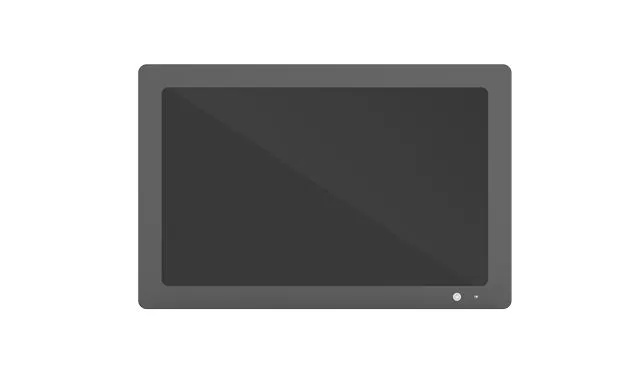
Embedded touch screen computer
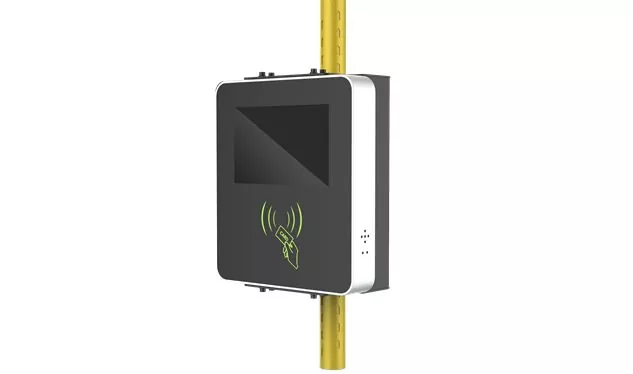
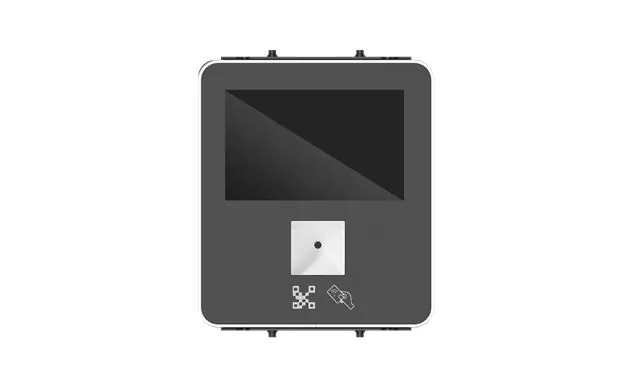
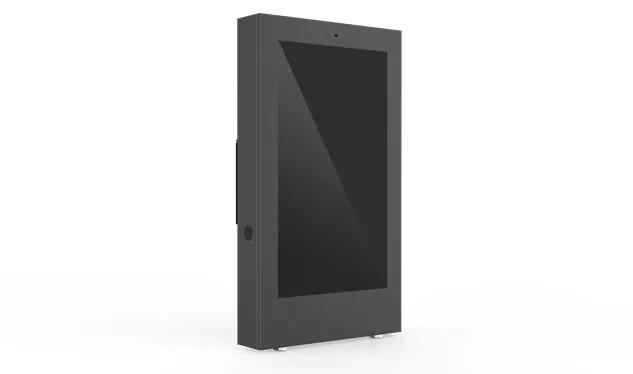
Embedded touch screen computer is an industrial computer that integrates the computing unit, display screen and touch interface into a single machine body. It is specially designed for embedded installation in the equipment panel or cabinet. Its core positioning is to integrate with the field control terminal as a human-computer interaction interface (HMI).
Send Inquiry
Product Description
Embedded touch screen computer is an industrial computer that integrates the computing unit, display screen and touch interface into a single machine body. It is specially designed for embedded installation in the equipment panel or cabinet. Its core positioning is to integrate with the field control terminal as a human-computer interaction interface (HMI).
Core features
The design of such products is mainly based on the stability of industrial environment, and the main features include:
Integrated design: integrate the host, display and touch layer into the unit, without external display, keyboard and mouse, directly embed into the device panel, save space and simplify wiring.
Fanless and wide temperature operation: generally, fanless passive cooling is used to eliminate the fan, which is a vulnerable mechanical part with high reliability. The temperature range generally covers -20 ° C to 60 ° C, and is suitable for the environment with large temperature difference such as workshops and outdoor cabinets.
High level of protection: the front panel generally reaches a high level of protection: the front panel generally reaches IP65 or IP66 protection, which can resist dust intrusion and low pressure water splash, and is suitable for food industry, chemical industry, outdoor self-service terminal and other scenarios.
Industrial interface configuration: standard dual gigabit network interface, multi-channel network interface, standard dual gigabit network interface RS-232/485 serial port, CAN bus and USB interface, which is convenient for direct connection of PLC, sensor, frequency converter and other field equipment without additional protocol conversion module.
Multiple installation methods: support panel embedded installation (fixed from the inside of the device panel, only exposing the screen) and VESA wall mounted installation. Some models also support open rack installation, which adapts to different device structures.
Typical application fields
The key purpose of the embedded touch screen computer is to act as the interface between the device and the operator, as well as the edge data collection and control node.
Industrial automation and manufacturing
As the HMI terminal of the production line equipment, it is used to display the working status, receive the operation instructions, and use the MES system to interface with the terminal, so as to achieve the release of work orders and data return. In the factory automation scenario, it can also be used as a device management terminal to directly control the underlying actuator through the serial port or CAN bus.
Smart retail and self-service
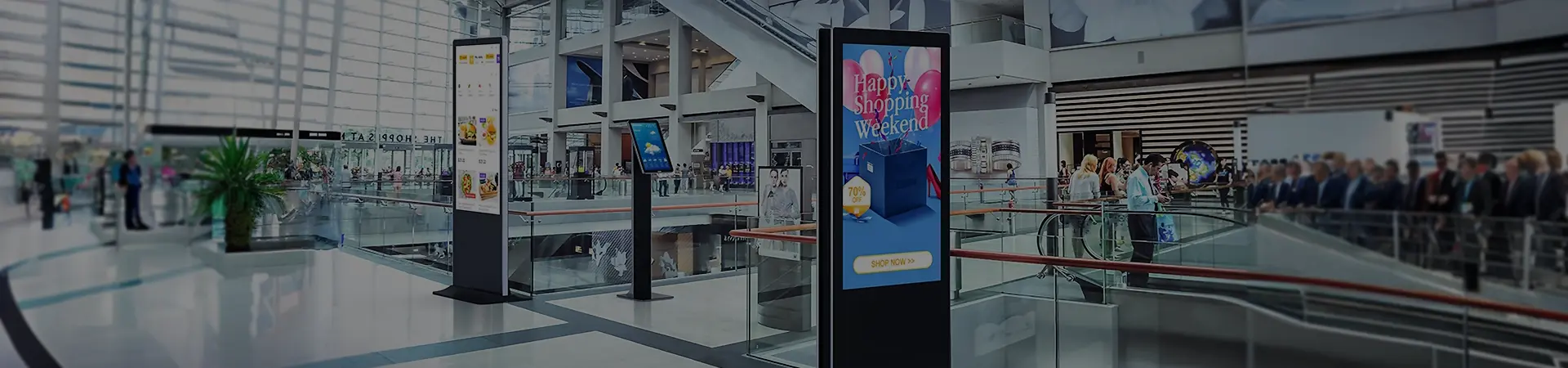
Embedded self-service cash registers, ordering machines, smart cabinets and other facilities, responsible for touch interaction, order processing and payment logic. Its fanless design and wide temperature characteristics enable it to adapt to non constant temperature environments such as shopping centers and outdoor post stations.
Traffic and building management
Passenger information display equipment, on-board query equipment for rail transit, or access control panel and visitor registration all-in-one machine in intelligent buildings adapt to power supply and vibration conditions of vehicles and outdoor cabinets through wide voltage input and seismic design.
Key points of hardware configuration and model selection
The choice of hardware platform depends on the requirements of computing power and ecological applications:
Advantages of typical Cpu application scenarios for platform types
ARM architecture, quad core 64 bit RISC (such as 2.0GHz), NXP i.MX8M Plus, lightweight HMI, edge AI reasoning, low power consumption terminal, fan free, easy to realize, cost controllable
X86 architecture Intel Atom, Celeron, Cor
Core features
The design of such products is mainly based on the stability of industrial environment, and the main features include:
Integrated design: integrate the host, display and touch layer into the unit, without external display, keyboard and mouse, directly embed into the device panel, save space and simplify wiring.
Fanless and wide temperature operation: generally, fanless passive cooling is used to eliminate the fan, which is a vulnerable mechanical part with high reliability. The temperature range generally covers -20 ° C to 60 ° C, and is suitable for the environment with large temperature difference such as workshops and outdoor cabinets.
High level of protection: the front panel generally reaches a high level of protection: the front panel generally reaches IP65 or IP66 protection, which can resist dust intrusion and low pressure water splash, and is suitable for food industry, chemical industry, outdoor self-service terminal and other scenarios.
Industrial interface configuration: standard dual gigabit network interface, multi-channel network interface, standard dual gigabit network interface RS-232/485 serial port, CAN bus and USB interface, which is convenient for direct connection of PLC, sensor, frequency converter and other field equipment without additional protocol conversion module.
Multiple installation methods: support panel embedded installation (fixed from the inside of the device panel, only exposing the screen) and VESA wall mounted installation. Some models also support open rack installation, which adapts to different device structures.
Typical application fields
The key purpose of the embedded touch screen computer is to act as the interface between the device and the operator, as well as the edge data collection and control node.
Industrial automation and manufacturing
As the HMI terminal of the production line equipment, it is used to display the working status, receive the operation instructions, and use the MES system to interface with the terminal, so as to achieve the release of work orders and data return. In the factory automation scenario, it can also be used as a device management terminal to directly control the underlying actuator through the serial port or CAN bus.
Smart retail and self-service
Embedded self-service cash registers, ordering machines, smart cabinets and other facilities, responsible for touch interaction, order processing and payment logic. Its fanless design and wide temperature characteristics enable it to adapt to non constant temperature environments such as shopping centers and outdoor post stations.
Traffic and building management
Passenger information display equipment, on-board query equipment for rail transit, or access control panel and visitor registration all-in-one machine in intelligent buildings adapt to power supply and vibration conditions of vehicles and outdoor cabinets through wide voltage input and seismic design.
Key points of hardware configuration and model selection
The choice of hardware platform depends on the requirements of computing power and ecological applications:
Advantages of typical Cpu application scenarios for platform types
ARM architecture, quad core 64 bit RISC (such as 2.0GHz), NXP i.MX8M Plus, lightweight HMI, edge AI reasoning, low power consumption terminal, fan free, easy to realize, cost controllable
X86 architecture Intel Atom, Celeron, Cor
Hot Tags: Embedded touch screen computer, China, Manufacturer, Supplier, Factory
Product Tag
Embedded touch screen computer
Industrial equipment touch screen computer
Medical equipment control touch screen computer
On board terminal touch screen computer
Educational multimedia touch screen computer
Retail cashier touch screen computer
Factory production line MES touch screen computer
Dining room buffet ordering touch screen computer
Hotel self-service check-in touch screen computer
Logistics warehouse management touch screen computer
Related Category
Send Inquiry
Please feel free to give your inquiry in the form below. We will reply you in 24 hours.