

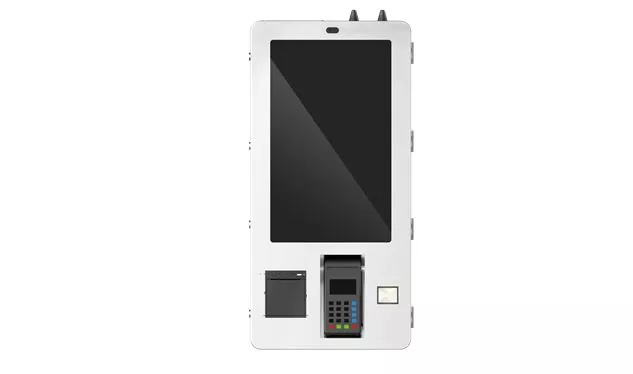
Industrial touch screen monitor
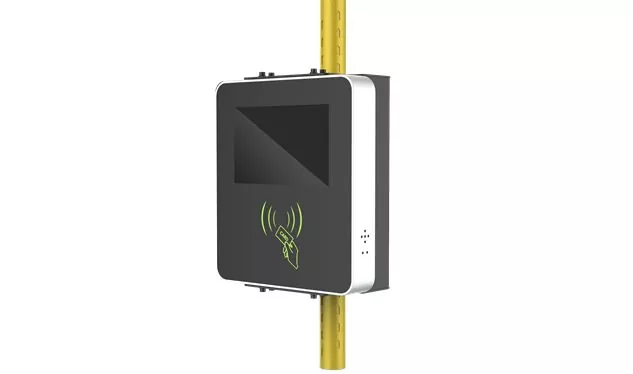
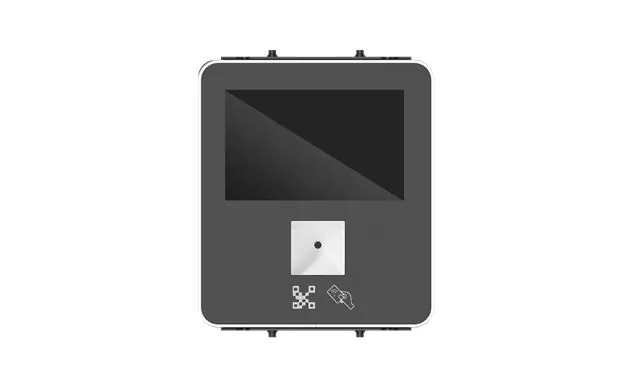
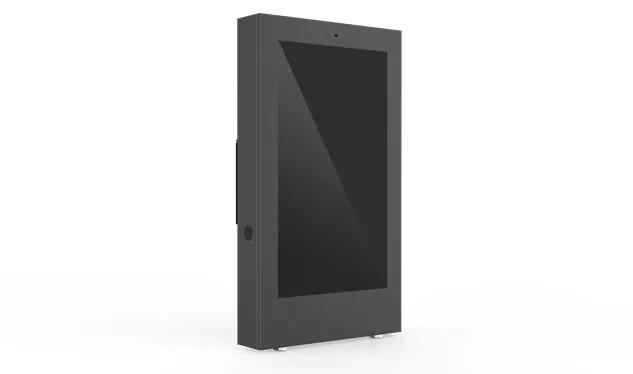
Industrial touch screen monitor is the core hardware of industrial automation and human-computer interaction (HMI). It has evolved from a simple operation panel to an intelligent interactive terminal integrating device control, data visualization, status monitoring and edge computing. It is the "nerve endings" connecting physical devices and the digital world in the era of Industry 4.0 and intelligent manufacturing.
Send Inquiry
Product Description
Industrial touch screen monitor is the core hardware of industrial automation and human-computer interaction (HMI). It has evolved from a simple operation panel to an intelligent interactive terminal integrating device control, data visualization, status monitoring and edge computing. It is the "nerve endings" connecting physical devices and the digital world in the era of Industry 4.0 and intelligent manufacturing.
🖥️ Core function: more than "display and control"
As the direct interface between operators and industrial equipment, it undertakes the following key functions:
Equipment control and parameter setting: instead of traditional physical buttons and indicators, the operator can directly complete equipment startup and shutdown, parameter adjustment and formula switching through the touch screen, which makes the interaction more intuitive and efficient.
Real time status monitoring and visualization: real-time display of key data such as production line beat, equipment operation status, process parameters, etc., to help operators quickly master the overall situation of the production line.
Data recording and alarm management: support the recording and tracing of production data and real-time push of fault alarm, which is convenient for quality control and rapid troubleshooting.
Advanced HMI and edge computing: some high-end models can be used as edge computing nodes to run SCADA and other upper systems to achieve local data processing and decision-making. At the same time, as the entrance to the Industrial Internet of Things (IIoT), it supports remote operation and maintenance and cloud data synchronization.
🛠️ Hardware characteristics and key technologies
In order to adapt to the harsh industrial scene, the industrial touch screen monitor has far exceeded the standard of consumer products in hardware design.
Size and resolution: the mainstream size is concentrated in 7 inches to 24 inches. Simple single equipment is usually 7-10 inches; For medium and large production lines or control rooms, 15-21.5-inch or larger sizes are selected. In terms of resolution, 800 × 480 is the entry point, and 1280 × 800 or 1920 × 1080 (FHD) has become the mainstream of high-end.
Environmental adaptability and protection: this is the core barrier of industrial control display.
Protection level: The front panel is usually required to reach IP65 (dust and water spray prevention) or IP66/IP67 (strong water spray prevention/short-term immersion prevention) to resist oil contamination, cutting fluid and washing.
Impact resistance: IK07 or IK10 impact resistance grade is required to withstand accidental collision.
Wide temperature operation: it shall be able to operate stably in a temperature range of -20 ℃ to 60 ℃ or even wider.
High brightness and readability in the sun: the brightness above 700-1000 nits is required in outdoor or strong light environment, supplemented by anti glare (AG) coating to ensure clear visibility.
Touch technology: Projective capacitive (PCAP) touch screen has become the mainstream of the market because it supports multi touch and smooth gestures. At the same time, in order to adapt to industrial scenarios, the screen needs to support wet hand touch and glove wearing operations (including latex gloves). The traditional resistive touch screen is still used in some scenes requiring high-precision or specific input.
Reliability design:
Fan free design: In a dusty environment, fan free design can avoid dust inhalation and improve long-term stability.
Long life backlight: the backlight life is usually required to be more than 50000 hours, meeting the requirements of 7 × 24 hours continuous operation.
💻 Software and system integration
Operating system: Windows, Linux and Android are the most commonly used operating systems for industrial touch screen monitors/all-in-one computers. Windows is compatible with traditional industrial software, Linux is good at stability and security, and Android is low-cost and easy to maintain.
Communication protocol and interface: the equipment shall be equipped with rich industrial interfaces, such as RS232/RS485, Ethernet, USB, HDMI, etc., to connect PLC, sensor, industrial personal computer and other equipment. At the same time, it supports various industrial communication protocols such as Modbus, EtherCAT, Profinet, etc., to ensure seamless integration with existing control systems.
Safety and compliance: The product must comply with CE, FCC, UL and other international certifications, as well as IEC 61000 series industrial EMC standards, to ensure stable operation in complex electromagnetic environment.
📈 market prospect
The industry control touch screen monitor market is deeply bound to the global industrial automation process, showing a steady growth trend.
Market size: According to the research of QYResearch, the global market sales of industrial touch screen monitors will be about US $1.312 billion in 2025, and is expected to reach US $1.996 billion by 2032, with a CAGR of about 6.2%. If the scope is expanded to the broader industrial display market, its scale is expected to grow from 5.9 billion dollars in 2025 to 12.89 billion dollars in 2034, with a CAGR of 8.2%.
Growth driving force: the digital transformation of manufacturing industry, the upgrading of production line automation and the popularization of the Industrial Internet of Things (IIoT) are the core driving forces for market growth. Among them, the 7-10 inch small size industrial control screen is becoming the fastest growing category with an annual growth rate of about 26%, which reflects the huge demand for intelligent transformation of stand-alone equipment.
Competition pattern: There are many market participants. Advantech is the market leader with a share of about 12%, followed by Siemens with a share of about 9%.
Hot Tags: Industrial touch screen monitor, China, Manufacturer, Supplier, Factory
Product Tag
Government affairs touch screen monitor
Educational touch screen monitor
Conference touch screen monitor
Charge Point touch screen monitor
Self service terminal touch screen monitor
POS cash register touch screen monitor
Industrial touch screen monitor
Medical device touch screen monitor
Security touch screen monitor
Smart home touch screen monitor
Related Category
Send Inquiry
Please feel free to give your inquiry in the form below. We will reply you in 24 hours.