

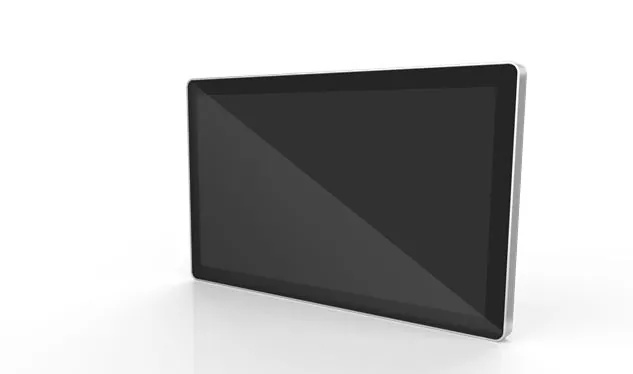
On BoardTerminal Touch Screen Computer
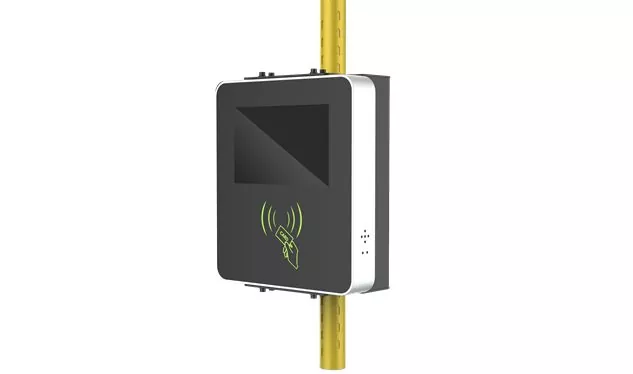
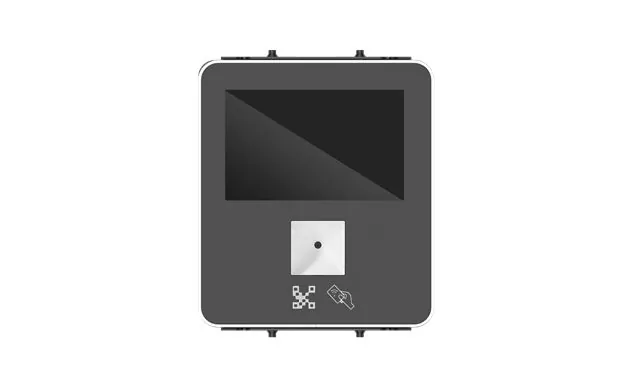
The on-board terminal touch screen computer is a kind of reinforced intelligent computing device tailored for the mobile operation scene of vehicles. On the basis of industrial stability, it further meets the strict requirements of vehicle specification level power supply adaptation, vibration and shock resistance, wide temperature range operation, etc. Its core mission is to serve as the vehicle intelligent center for vehicle dispatching management, equipment control and data collection.
Send Inquiry
Product Description
The on-board terminal touch screen computer is a kind of reinforced intelligent computing device tailored for the mobile operation scene of vehicles. On the basis of industrial stability, it further meets the strict requirements of vehicle specification level power supply adaptation, vibration and shock resistance, wide temperature range operation, etc. Its core mission is to serve as the vehicle intelligent center for vehicle dispatching management, equipment control and data collection.
🚛 Design highlight: specially designed for mobile vehicle conditions
Different from the fixed industrial site, the on-board environment is faced with multiple challenges such as continuous vibration, large temperature difference fluctuations and unstable power supply conditions. All design of the on-board terminal touch screen computer revolves around these pain points.
Vehicle specification level power supply and ignition linkage management
The vehicle power supply system is often accompanied by violent voltage fluctuation, transient surge interference, cold start voltage drop and other phenomena, and the conventional power supply scheme is not competent. The on-board terminal generally supports 9-36V or 9-48V wide range DC input, and complies with ISO 7637-2 on-board power specification, which can effectively resist the voltage spike and load shedding impact at the moment of ignition. The built-in ignition control function realizes the intelligent linkage of automatic power on when starting and delayed shutdown after flameout, and fundamentally eliminates the battery power loss problem caused by forgotten shutdown.
Military regulation level vibration and shock resistance and wide temperature range adaptation
The continuous vibration generated by the vehicle during driving poses a great challenge to the reliability of electronic equipment. The on-board terminal has generally passed MIL-STD-810G/H military regulation level vibration and impact test and reached 5M3 level impact resistance certification standard, which is sufficient for mining vehicles, engineering equipment and other high-intensity vibration conditions. The operating temperature range generally covers -30 ° C~60 ° C, and some high-end models can be expanded to -30 ° C~70 ° C to meet the all-weather deployment from extremely cold areas to high-temperature operation areas.
Visible display in high brightness sunlight
The lighting environment in the cab is complex and changeable, and the screen must remain clear and legible under strong direct sunlight. The screen brightness of vehicle terminal generally reaches about 1000 cd/m ². Some products are supplemented with anti glare treatment process to ensure readability in various lighting environments. The touch control scheme takes multipoint capacitive touch as the mainstream, and supports glove wearing operation, so that the driver can operate smoothly without removing gloves during operation.
Integration of industrial interface and on-board bus
The on-board terminal needs to directly connect with the vehicle sensor, camera module and engine electronic control system. Common interface configurations include: CAN bus (compatible with CAN 2.0B/CAN FD), which is used to collect vehicle diagnostic parameters such as vehicle speed, speed, fuel consumption, etc; Multiple AHD camera input, serving for reversing image and driving behavior monitoring; And M12 waterproof aviation plug interface, which can ensure the stability and reliability of signal connection in high vibration environment.
Wireless communication and multi-mode satellite positioning
Real time scheduling management is inseparable from a stable wireless communication link. Vehicle terminals are generally equipped with 4G/5G cellular networks, Wi Fi 6 and Bluetooth modules, and embedded with GNSS multi-mode positioning (compatible with GPS, Beidou GLONASS、Galileo), It provides accurate spatio-temporal benchmark data for vehicle scheduling, path optimization and driving trajectory tracking.
🚛 Typical industry applications
Warehouse logistics and forklift operation
In the warehouse center and port terminal, the vehicle terminals are installed on forklifts, picking trucks and container tractors to perform tasks assignment, barcode scanning of goods, inventory counting and route navigation. Its compact body size and excellent anti vibration performance enable it to operate stably for a long time in a narrow cockpit; With the help of CAN bus interface, the data of forklift operation conditions can also be obtained in real time to support preventive maintenance strategies.
Urban public transport and passenger transport service
On bus, school bus, taxi and other passenger vehicles, the on-board terminal plays a dual role of intelligent dispatching and passenger information service, covering real-time scheduling, ticket processing, ADAS/DMS active safety monitoring, passenger information entertainment and other functions. The system architecture conforming to ITxPT standard ensures seamless connection with the third-party intelligent transportation platform.
Construction machinery and special equipment
Excavators, lifting machinery, mining dump trucks, agricultural machinery and other special equipment have extremely harsh operating environment. The on-board terminal is used for equipment operation status monitoring, operation parameter display and remote fault diagnosis in such scenarios. Military level anti vibration certification and high protection level guarantee that the equipment can still operate stably under the conditions of dust, mud and water splash and severe vibration.
Fleet operation and remote control
Fleet managers can realize real-time vehicle positioning and tracking, driving behavior evaluation, fuel consumption analysis and service log recording with the help of on-board terminals. The terminal transmits the operation data back to the dispatching center in real time through the 4G/5G network. The CAN FD protocol supports faster data exchange between ECUs, providing deeper diagnostic support for the refined management of modern fleet.
📋 Key Selection Guidelines
1. Vehicle gauge level certification is the threshold for entry
The products that have passed the E-Mark (ECE R10) certification are preferred - this is the hard threshold for the on-board electronic equipment to enter the EU market. At the same time, verify whether it meets the ISO 7637-2 power supply standard and MIL-STD-810G/H anti vibration test requirements; If it is applied in the field of public transport, ITxPT standard certification means better system interoperability.
2. The protection level shall match the installation condition
For the installation scenario inside the cockpit, select IP54~IP65 protection level; It is recommended to select IP66 or IP67 models with waterproof air plug interface scheme for open pit tramcars, port machinery and other scenes exposed to rain and dust for a long time.
3. Match computing platform according to business complexity
form
Task type recommendation platform
Basic positioning and scheduling ARM architecture (such as four core Cortex-A53)
AI driving monitoring (ADAS/DMS)/multi-channel camera analysis integrated NPU processor (such as 6 TOPS computing power)
Storage management/diagnostic software in Windows ecosystem Intel Atom or Core series x86 platform
4. Bus interface and installation compatibility confirmation
Confirm the CAN interface specification (CAN 2.0B or CAN FD) according to the vehicle communication protocol, and determine whether J1939/OBD-II protocol support is required. If there is a demand for multi-channel camera access, confirm whether the number of AHD input channels is sufficient. The installation method needs to pay attention to the VESA 75 × 75 or 100 × 100 standard hole location, and whether it is equipped with a shock absorption bracket to cope with high intensity vibration conditions.
Hot Tags: Embedded touch screen computer , Industrial equipment touch screen computer , Medical equipment control touch screen computer , On board terminal touch screen computer , Educational multimedia touch screen computer , Retail cashier touch screen computer , Factory production line MES touch screen computer , Dining room buffet ordering touch screen computer , Hotel self-service check-in touch screen computer , Logistics warehouse management touch screen computer
Related Category
Send Inquiry
Please feel free to give your inquiry in the form below. We will reply you in 24 hours.