
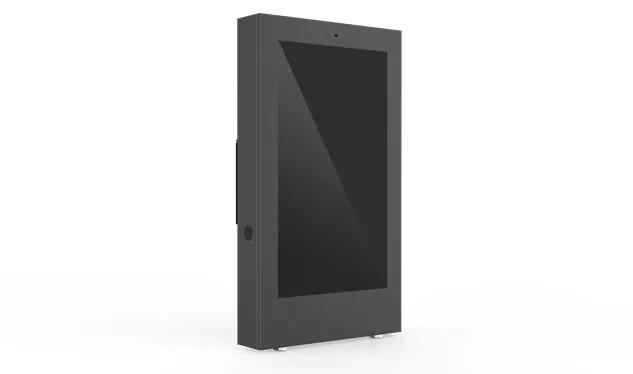
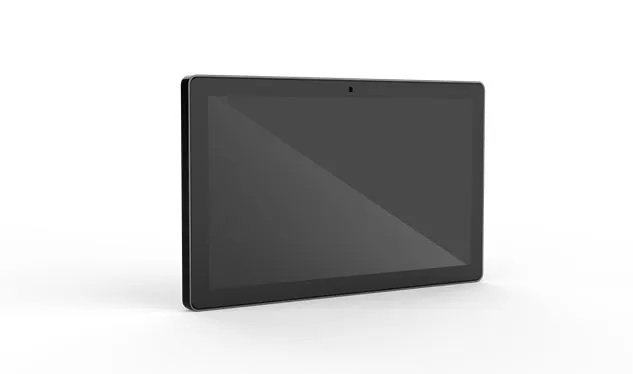
POS cash register touch screen monitor
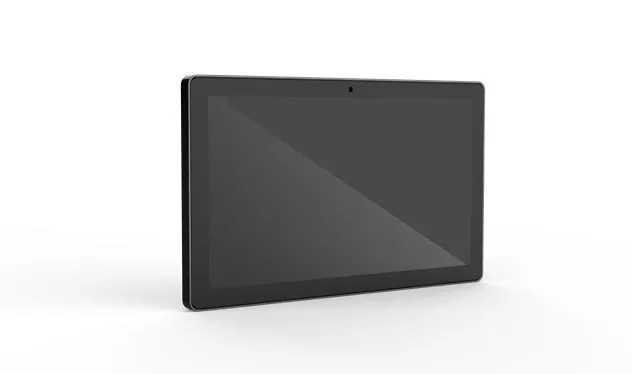
POS cashier touch screen monitor is the core interface for transaction processing and customer interaction in retail and catering scenarios. It has evolved from a simple display device to an intelligent terminal integrating cashier settlement, inventory inquiry, member management and customer interaction. Its reliability and interaction experience directly affect the operation efficiency and customer satisfaction of the store.
Send Inquiry
Product Description
POS cashier touch screen monitor is the core interface for transaction processing and customer interaction in retail and catering scenarios. It has evolved from a simple display device to an intelligent terminal integrating cashier settlement, inventory inquiry, member management and customer interaction. Its reliability and interaction experience directly affect the operation efficiency and customer satisfaction of the store.
🖥️ Core function: more than "cash register"
As an interactive window for cashiers and customers, it bears the following key functions:
Efficient cashier and settlement: It supports commodity code scanning, price query, and rapid processing of multiple payment methods (bank card, QR code, NFC). It is the center of the store transaction process.
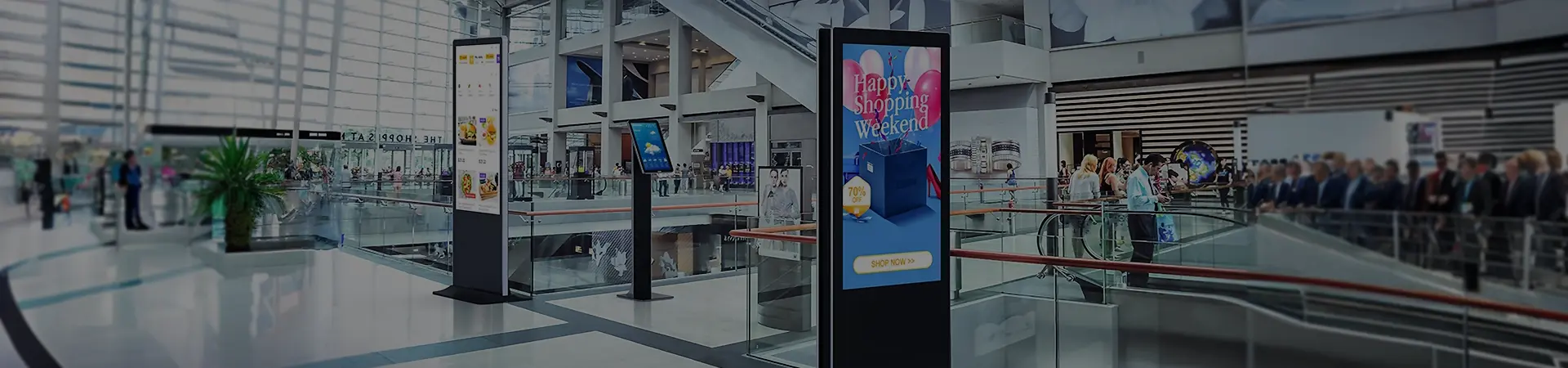
Dual screen interaction and customer trust: many POS terminals are equipped with customer facing secondary screens, which can display transaction details, promotion information or electronic signatures in real time, so that customers can clearly check consumption and improve transaction transparency and trust.
Inventory and member management: Cashiers can quickly query commodity inventory, retrieve member information, redeem points or register members through the touch screen to turn the cashier into a comprehensive service point.
Kitchen display system (KDS): In catering scenarios, POS touch screen monitors (especially large models) can be used as KDS to synchronize orders to the kitchen in real time, reduce communication errors, and speed up the meal delivery process. Such screens usually have anti reflection and anti fingerprint coatings to adapt to the strong light and lampblack environment of the kitchen.
Self service extension: some POS displays can be used as self-service checkout or order terminals, integrating barcode scanning, NFC card reader and AI object recognition module to create a fast and smooth self-service experience.
🛠️ Hardware characteristics and key technologies
In order to adapt to the high-frequency use, space limitation and complex environment of retail and catering scenes, POS touch screen monitors have special requirements on hardware.
Size and shape: the mainstream size is between 10 inches and 27 inches. The counters with limited space are usually 13.3 inches and 15.6 inches; When complex orders need to be displayed or used for KDS, 21.5 inches and 27 inches will be selected. In form, it pursues ultra narrow frame (up to 4mm) and slim design to maximize the display area and integrate into modern commercial space.
Environmental adaptability and protection:
Protection level: The front panel is usually required to reach IP54 (dust-proof and splash proof) or IP65 (dust-proof and water spray proof) to prevent accidental liquid splashing and ensure stable operation of the equipment.
Impact resistance: IK07 or IK08 impact resistance grade is required, and the glass surface hardness usually reaches 7H to withstand the impact in daily use.
Heat dissipation design: fanless design is increasingly popular in POS devices, which can eliminate hidden mechanical faults, avoid dust inhalation, and further improve the stability of the system in harsh environments.
Touch technology: Projective capacitive (PCAP) touch screen is the absolute mainstream, which supports 10 touch points and is sensitive. At the same time, the screen must be able to adapt to the operation scenario of wet hands and wearing gloves. Some products support the floating touch function.
Display performance: 1920 × 1080 (FHD) is the standard resolution. In order to cope with the complex lighting environment in the store, the screen brightness usually needs to reach 250-400 nits, and AG anti glare, AR anti reflection and AF anti fingerprint coatings can be selected to ensure clear visibility and easy maintenance.
💻 Software and system integration
Operating system: Windows, Android and Linux are the three most commonly used operating systems for POS terminals. Windows system is compatible with traditional POS software, Android system is low cost and easy to maintain, while Linux is good at stability and security. Many manufacturers provide models that support dual system switching to adapt to different software ecosystems.
Processor architecture: mainly divided into X86 architecture (Intel processor, strong performance, compatible with Windows) and ARM architecture (such as MediaTek and Ruixin microprocessors, low power consumption, suitable for Android system).
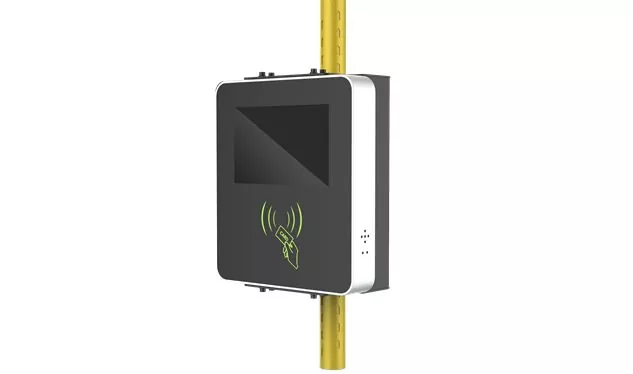
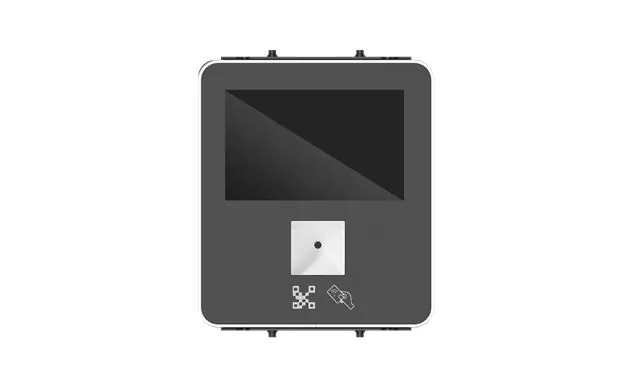
Interface and expansion: It is required to have a wealth of I/O interfaces, such as USB-C, RS232, HDMI, RJ45, etc., for connecting peripheral devices such as cash box, printer, code scanning gun, etc. At the same time, it supports MSR (magnetic stripe card reader) NFC、RFID、 Flexible expansion of camera and other modules to achieve multi use of one machine.
Security and compliance: terminals involving payment and identity information should comply with PCI and other payment card industry standards to ensure the security of transaction data.
📈 market prospect
The POS touch screen monitor market is deeply bound to the retail digital process, and the overall scale is growing steadily.
Market size: In 2025, the global retail touch screen display market size will be about 1.085 billion US dollars, and is expected to reach 1.354 billion US dollars by 2032, with a CAGR of about 3.22%. If we broaden our vision to the broader commercial touch screen monitor market, its size is expected to grow from 6.29 billion dollars in 2025 to 10.89 billion dollars in 2032, with a CAGR of 8.14%.
Short term trend: according to Omdia's prediction, the shipment of mobile POS monitors in 2026 may slow down due to the reduction of capital expenditure by retailers, but the value of single monitors continues to increase, and the market is shifting from the pursuit of shipment to the pursuit of higher value-added products.
Core drivers: retail digitalization, POS automation, and consumer demand for better experiences (such as self-service checkout, member interaction) are the core drivers of market growth.
Hot Tags: POS cash register touch screen monitor, China, Manufacturer, Supplier, Factory
Product Tag
Government affairs touch screen monitor
Educational touch screen monitor
Conference touch screen monitor
Charge Point touch screen monitor
Self service terminal touch screen monitor
POS cash register touch screen monitor
Industrial touch screen monitor
Medical device touch screen monitor
Security touch screen monitor
Smart home touch screen monitor
Related Category
Send Inquiry
Please feel free to give your inquiry in the form below. We will reply you in 24 hours.