

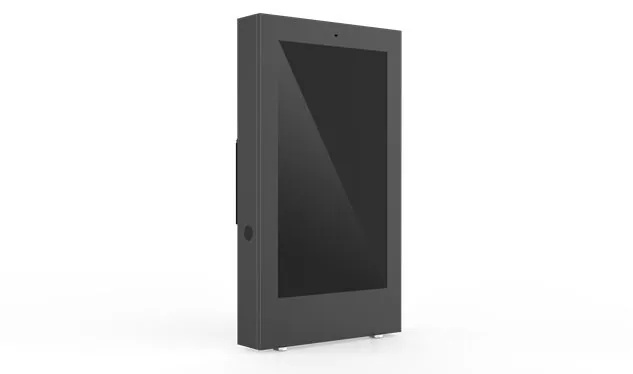
Self Service Terminal Touch Screen Monitor
Government affairs touch screen monitor Educational touch screen monitor Conference touch screen monitor Charge Point touch screen monitor Self service terminal touch screen monitor POS cash register touch screen monitor Industrial touch screen monitor Medical device touch screen monitor Security touch screen monitor Smart home touch screen monitor New retail touch screen monitor Traffic touch screen monitor Energy power touch screen monitor
Send Inquiry
Product Description
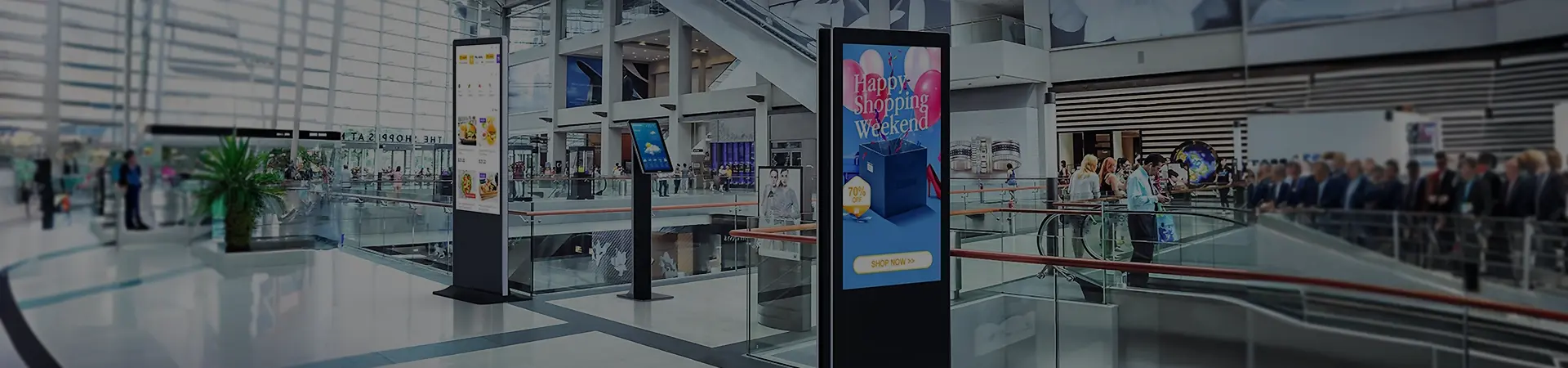
Self service terminal touch screen monitor is the core carrier of human-computer interaction (HMI) in public services and business scenarios. It has evolved from a simple information query screen to an intelligent service portal integrating business processing, identity verification, payment transactions and advertising operations, and is the key hardware foundation of the "24-hour open" service model.
Core function: more than "touch"
As the only window for users to interact with the self-service system, it undertakes the following key functions:
Business guidance and handling: clearly display the operation process and guide users to complete the whole process from query, appointment to handling. When there is a problem in the operation, the screen can directly display the specific reason (such as the ID is not recognized, network timeout, etc.) to help users quickly solve the problem.
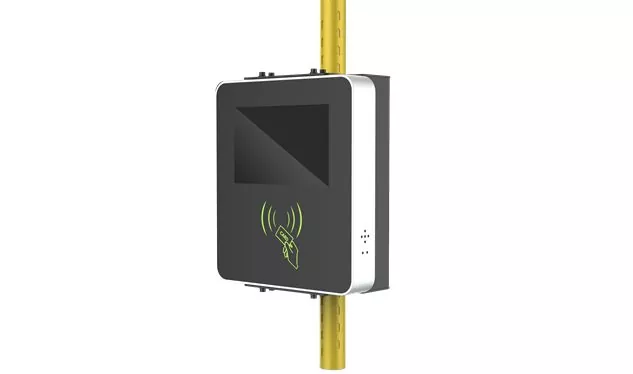
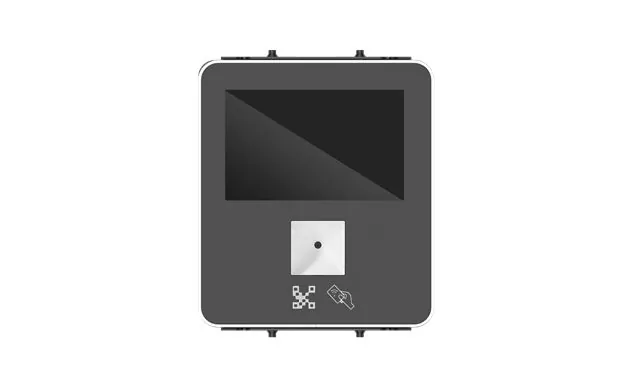
Diversified identity verification: integrate identity card readers, face recognition cameras, fingerprint modules, etc., support security authentication methods such as "identity verification+face recognition", and meet the real name requirements of financial, government and other scenarios.
Omni channel payment integration: It supports bank card, QR code scanning, NFC, face swiping and other payment methods. Users can complete the payment process directly on the screen without relying on mobile apps.
Barrier free and aging friendly design: some terminals are designed in a low position (such as about 40cm in height), which is convenient for wheelchair users or those with mobility problems. At the same time, the touch screen with large size and high sensitivity also reduces the operating threshold for the elderly.
Advertising and value-added operation: In places such as government halls, hospitals, shopping malls, etc., touch screens can be endowed with the functions of playing advertising videos and policy propaganda, making them become terminals with advertising value-added capabilities.
Hardware characteristics and key technologies
In order to adapt to the diversified indoor and outdoor installation environment, the self-help terminal touch screen monitor has special requirements on hardware.
Size and resolution: the mainstream size is between 7 inches and 55 inches. Simple query and transaction scenarios often use 15 inch and 21.5 inch screens; When complex information needs to be displayed or used for large screen interaction, 32 inch, 43 inch or larger screens will be used. 1920 × 1080 (FHD) has become the mainstream resolution.
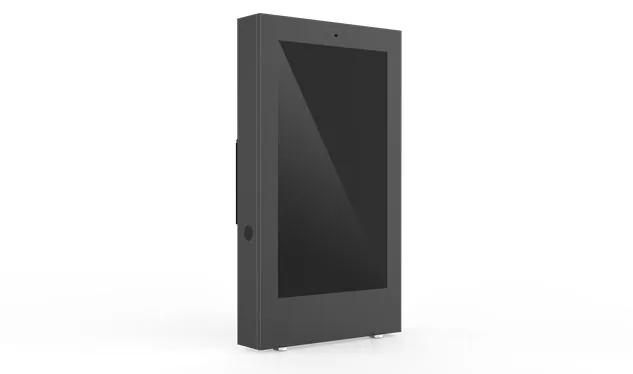
Environmental adaptability and protection: outdoor or semi outdoor equipment must be able to cope with harsh environment.
Protection grade: usually IP54 (dust-proof and splash proof) or IP65 (dust-proof and water spray proof), and some high-end outdoor models can meet NEMA 4X standards.
Impact resistance: It needs to have a certain anti damage ability. The common standard is IK07 or IK10. The surface hardness of glass usually reaches Mohs 7.
Wide temperature operation: stable operation within a wide temperature range of -20 ℃ to 70 ℃ is required.
Readability in the sun: the brightness of outdoor screen usually needs to reach more than 700 nits, and some high brightness models can reach 1500 nits or even 2500 nits, supplemented by anti glare (AG) coating to ensure clear visibility in strong light.
Touch technology: Projective capacitive (PCAP) touch screen has become the mainstream because of its support for multi touch (usually 10 points) and sensitive response. At the same time, the screen must be able to adapt to the operation scene of wet hands, wearing gloves or floating touch.
Software and system integration
Operating system: Android and Windows are the two most commonly used operating systems for self-service terminals, and embedded Linux will also be used in some industrial control scenarios.
System connection: the terminal needs to connect with the background business system (such as HIS system of the hospital, core banking system of the bank) through the standard data interface to achieve real-time data interaction and business logic processing.
Security and compliance: terminals involving payment and identity information should comply with PCI and other payment card industry standards, and support security authentication technologies such as biometrics.
market prospect
Self service terminal touch screen monitor is a high growth market deeply bound with digital transformation.
Market size: In 2025, the global market size of touch screen self-service terminals will be about 19.43 billion dollars, and is expected to reach 41.96 billion dollars by 2034, with a CAGR of about 8.93%.
Market segment: The retail touch screen market is growing particularly rapidly, with the scale of USD 17.09 billion in 2025, and is expected to grow to USD 19.06 billion in 2026, with a CAGR of 11.5%.
Drivers: retail digitalization, POS automation, and consumer demand for better experience are the core growth drivers
Self service terminal touch screen monitor is the key physical entrance to connect users and digital services. Its value is changing from simple hardware display to the comprehensive integration of hardware reliability, software ecology, biometrics and payment experience. The future development trend will focus on AI driven personalized interaction (such as voice assistant, intelligent recommendation) and contactless operation (such as aerial imaging, gesture recognition), and further expand its application depth in finance, medical, retail, government and other fields
Hot Tags: Government affairs touch screen monitor , Educational touch screen monitor , Conference touch screen monitor , Charge Point touch screen monitor , Self service terminal touch screen monitor , POS cash register touch screen monitor , Industrial touch screen monitor , Medical device touch screen monitor , Security touch screen monitor , Smart home touch screen monitor
Related Category
Send Inquiry
Please feel free to give your inquiry in the form below. We will reply you in 24 hours.