


Touchscreen Terminals for Hospital Wards
Capacitive touch screen terminal Industrial grade fanless touch screen terminal Touchscreen terminals for hospital wards Outdoor high brightness sunlight readable touch screen terminal Android touch screen terminal Embedded touch screen terminal Bank counter dual screen touch screen terminal Touch screen terminal at production line workstation IP65 waterproof and dustproof touch screen terminal
Send Inquiry
Product Description
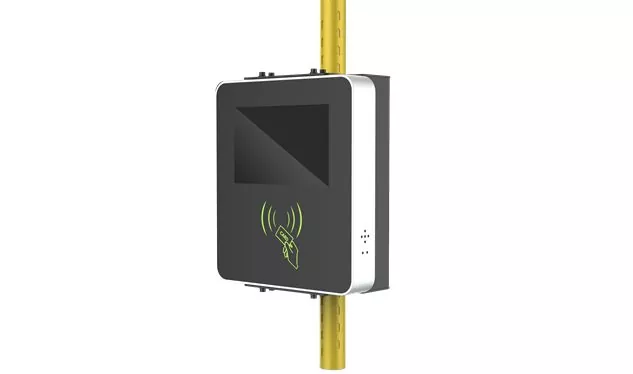
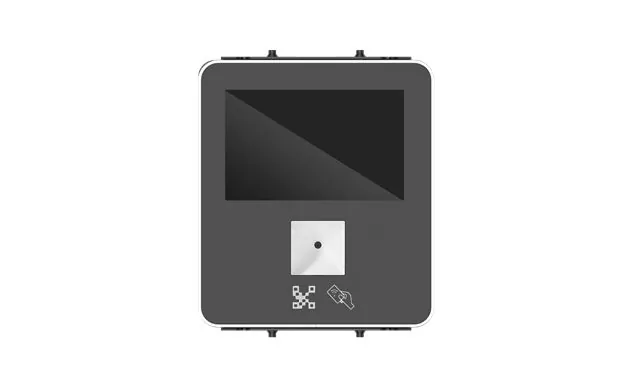
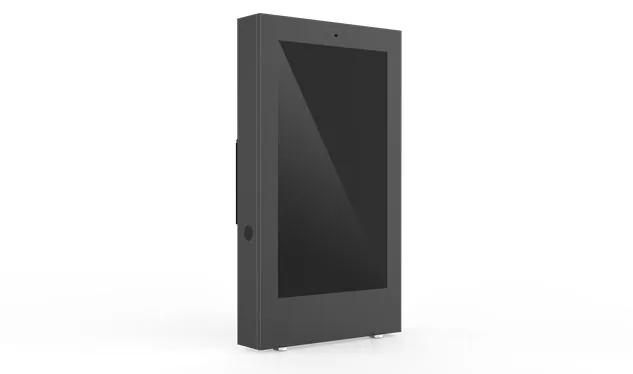
Touchscreen terminals for hospital wards are installed on the equipment belt or wall of the hospital bed, and the "last meter" service beside them is erected by rocker arms, wall mounted or embedded methods: touch screen, computing module, call intercom unit and network interface are enclosed in a compact body. It is different from the nurse station host and corridor display screen - Touchscreen terminals for hospital wards. On one end, it is a self-service window for patients to check information, make calls, and adjust the environment. On the other end, it is a bedside workstation for medical staff to retrieve medical records, record keeping, and verify identities. It gathers the information flow scattered in the nurse station, paper medical records, and verbal communication to the patient's hand.
The functions are spread out along two lines, sharing a screen and switching with identity authentication. On the patient side, Touchscreen terminals for hospital wards provide real-time readings of body temperature, blood pressure, blood sugar, etc. They can check appointments and reports according to the timeline, view cost details, and provide video, text, and educational content. The lowest level is call intercom - initiated by touch screen or physical keys, with two-way audio and video communication with the nurse station. Toilet calls are also linked to bedside terminal sound and light prompts. On the medical side, Touchscreen terminals for hospital wards collect patient panoramic data: risk identification, allergy history, nursing level, bedside view, barcode engine for identity verification, medication scanning, and some models come with RFID card readers; During ward rounds, images are taken directly from the bedside. In the HarmonyOS ward, it is also connected to infusion monitoring and millimeter wave radar, and the risk of falls is reported to the nurse station in seconds.
The hardware is trapped by the ward environment. Electrical safety is the dividing line: Touchscreen terminals for hospital wards must pass IEC/EN 60601-1 and IEC 60601-1-2, and be close to ventilators and monitors without interference; The certification of AIMEDIK MT21 also covers the ISO 22196 antibacterial standard. In terms of sensing control, the front panel is IP65, and medical alcohol and hydrogen peroxide can be easily wiped. The Advantech HIT-R series 9H antibacterial cover plate is scratch resistant and anti liquid accumulation, and the full flat design allows for disinfection to be completed in seconds. Touch recognition gloves - latex, nitrile PVC、 Cotton quality is acceptable, and wet hands are not mistaken. Installation space: The rocker arm can lift up to 350mm, the cables are fully hidden, the 75mm VESA hole is compatible with the trolley base, and the embedded part can be directly integrated into the equipment belt.
Three deployment forms
Bedside rocker arm terminal with functions ranging from 10.1 to 13.3 inches is the most comprehensive; 7 to 10 inch bedside embedded display and duplex intercom are the main features, such as GVS video and audio using Category 6 TCP/IP cable; According to the bidding caliber of Xinhua Hospital, the mobile version needs to be over 10 inches, resistant to a drop of 1.8 meters, and can be wiped with alcohol, complementing the fixed terminal. Verification is also being implemented: the Hongmeng Smart Ward of Liangjiang New Area People's Hospital has reduced the patient's unexpected response from minutes to seconds, and both North Third Hospital of Traditional Chinese Medicine and Jiujiang Hospital of Traditional Chinese Medicine have achieved one click bedside report checking, brightness adjustment, and video calling.
Firstly, select the GB 9706.1 or equivalent IEC 60601-1 report, and then follow the chemical resistance data required by our hospital's disinfectant; The screen is determined by the type of ward, while the pediatric department has an age appropriate interface; The linkage between HIS, LIS, PACS and nurse stations is the bottom line, which can expand IoT access such as temperature patches and oximeters, and deploy remote centralized control in multiple areas. In the future, the sinking of AI will transform Touchscreen terminals for hospital wards from query calling tools to intelligent bedside nodes that can assess risks and provide proactive reminders.
Hot Tags: Capacitive touch screen terminal , Industrial grade fanless touch screen terminal , Touchscreen terminals for hospital wards , Outdoor high brightness sunlight readable touch screen terminal , Android touch screen terminal , Embedded touch screen terminal , Bank counter dual screen touch screen terminal , Touch screen terminal at production line workstation , IP65 waterproof and dustproof touch screen terminal
Related Category
Send Inquiry
Please feel free to give your inquiry in the form below. We will reply you in 24 hours.