
Vending Touch Screen Monitor
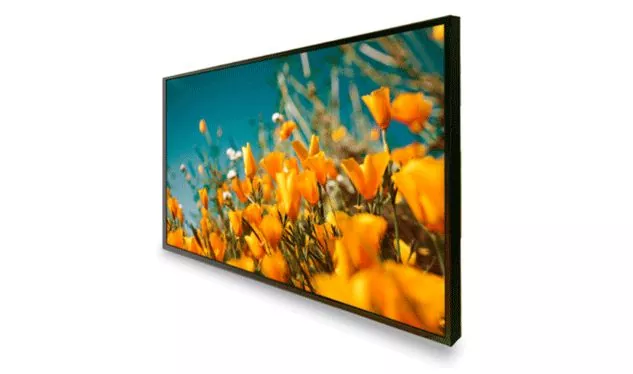
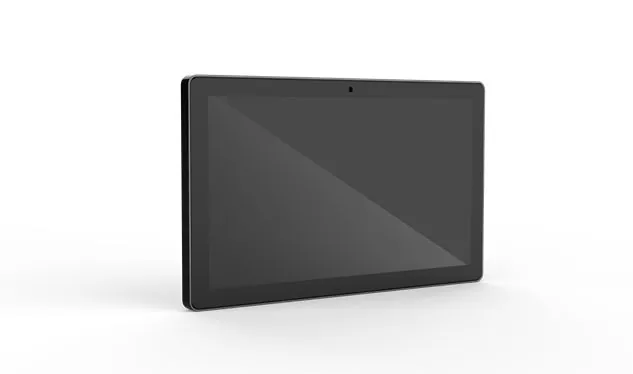
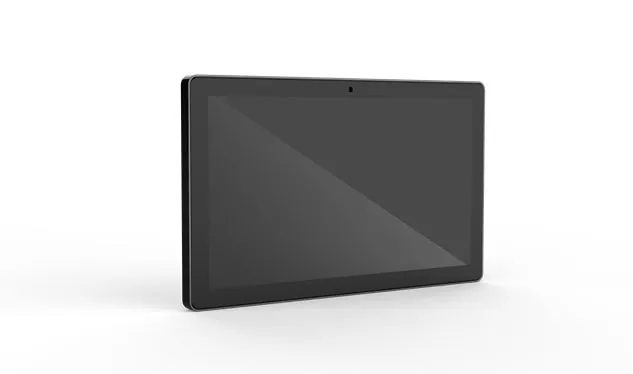
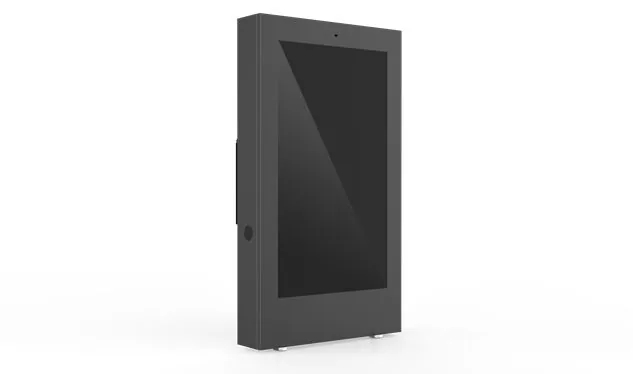
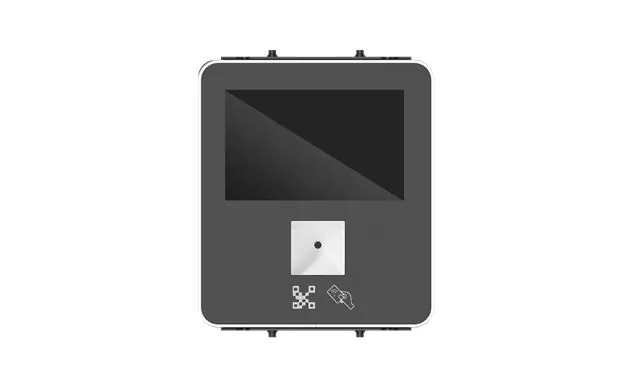
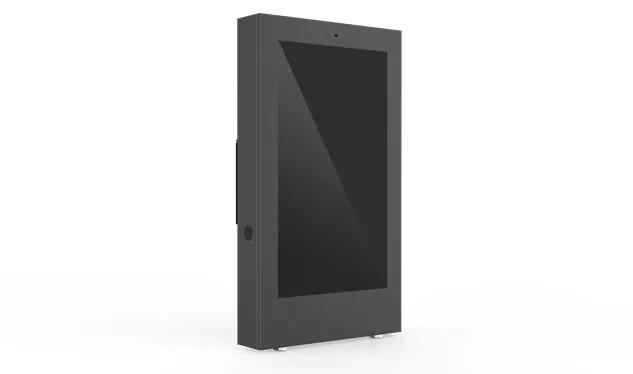
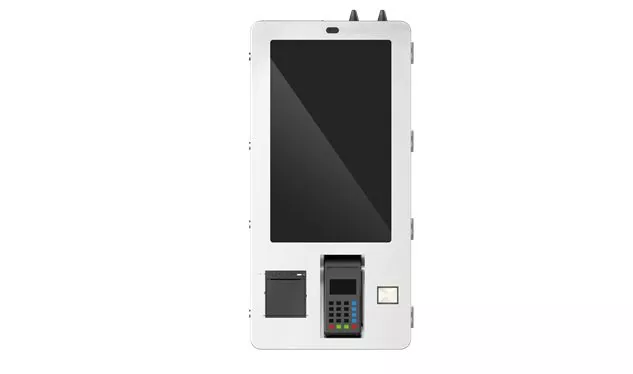
A vending touch screen monitor is an interactive display integrated into modern vending machines, replacing traditional mechanical buttons and enhancing the user experience with a dynamic and intuitive interface. These monitors are designed to streamline the purchasing process, provide additional product information, and support various payment methods, transforming the conventional vending machine into a smart, user-friendly device.
Send Inquiry
Product Description
Key Features:
A vending touch screen monitor is an interactive display integrated into modern vending machines, replacing traditional mechanical buttons and enhancing the user experience with a dynamic and intuitive interface. These monitors are designed to streamline the purchasing process, provide additional product information, and support various payment methods, transforming the conventional vending machine into a smart, user-friendly device.
The touch screen display of automated vending has changed the operation mode of traditional vending machines through the touch interface, providing customers with a more intuitive self-service purchase experience, and also facilitating the management of operators.
Main features:
Touch screen operation: the interface is responsive and supports common gestures such as sliding and clicking, which is convenient for customers to browse products and complete selection.
Clear screen display: the high-resolution screen can clearly display commodity pictures, prices and promotional information, with good color presentation.
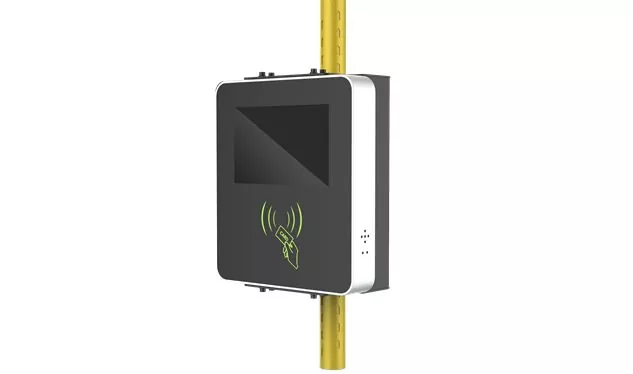
Support a variety of non cash payments: compatible with bank cards, mobile payments (such as Apple Pay), code scanning and NFC payments, and adapt to cashless transactions.
Dynamic content can be displayed: in addition to the list of goods, the screen can also play advertisements, promotional information or nutrition instructions to help recommend goods.
Basic personalized recommendation: some systems can display relevant product suggestions to customers based on purchase records or promotional activities.
Support remote management: operators can remotely update product information, adjust prices, publish promotions and view device status through the network, reducing the number of on-site maintenance.
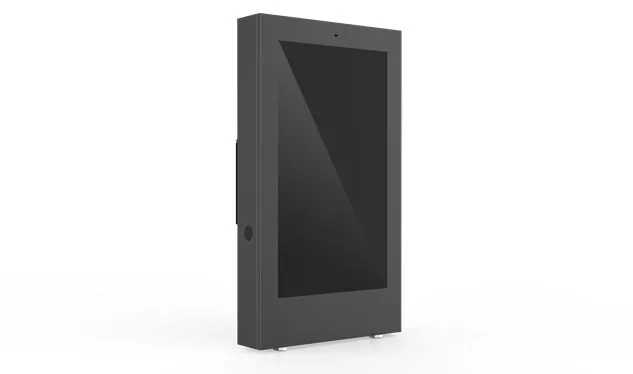
The design considers the use in public places: tempered glass is usually used, and has certain waterproof, antifouling and anti glare capabilities to adapt to the environment with large traffic and frequent use.
Operational data can be collected: the system can record the transaction situation, customer preference and other data to assist operators in optimizing product selection and formulating marketing strategies.
Common application scenarios:
Food and beverage sales: It is used for snack and beverage vending machines to enhance the purchase experience through images and interactive menus.
Retail commodity sales: an automatic vending machine used to sell electronic products, cosmetics and other commodities.
Medicine and health products: used to sell over-the-counter drugs, personal care products, etc. The screen can provide product information and purchase guidance.
Self service ticket selling and service: It is integrated in the ticket and ticket vending machine for users to inquire and purchase tickets by themselves.
Market trend:
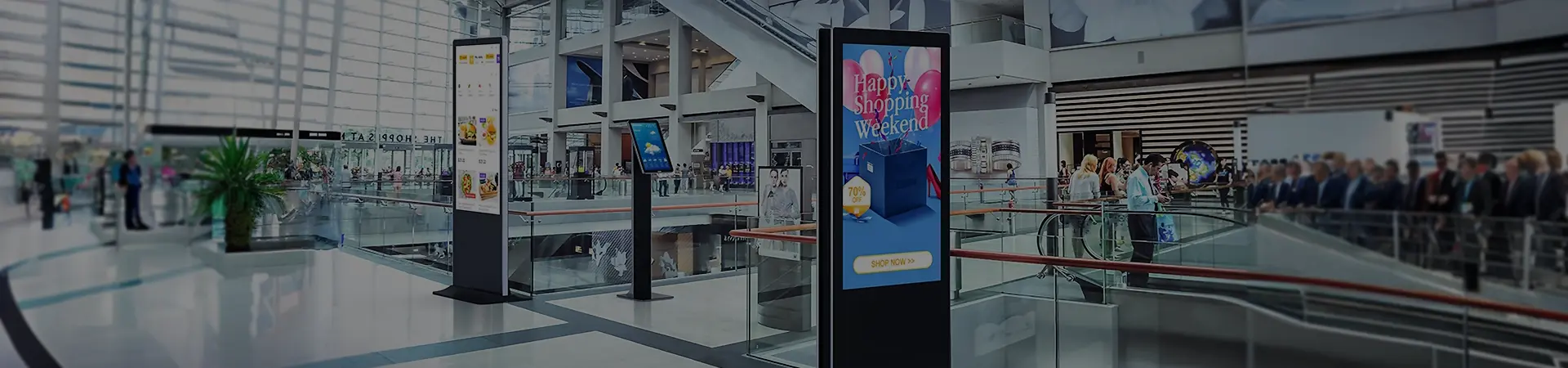
The touch screen display for vending is gradually becoming a common configuration in the industry. It transforms the traditional vending machine into an interactive self-service point of sale, providing support in attracting customers, improving sales efficiency and obtaining operational data. With the development of automation and digitalization, it is expected that this kind of touch screen will be more widely used in the field of automated sales.
Hot Tags: Vending Touch Screen Monitor, China, Manufacturer, Supplier, Factory
Related Category
Rugged Android Tablet
Digital Signage
Industrial Touch Devices
High Brightness Displays Touch
Touch Screens
Send Inquiry
Please feel free to give your inquiry in the form below. We will reply you in 24 hours.